ENVIRONMENTAL
|
S
|
P
|
T
|
|
E1
|
Using recycled materials create your own
“NASCAR” for our ‘Green Trolley Derby” in Term 4.
|
|||
E2
|
Investigate conservation programmes here in New
Zealand. Select one of these
and present your findings to the class.
|
***
|
***
|
***
|
E3
|
Visit www.ecokids.ca and complete all Climate Change, Waste
and Wildlife games and Energy Audit Quiz online.
|
***
|
***
|
***
|
E4
|
Investigate ‘The Endangered Species Act’ and
present your findings/wonderings in poster or Power Point format.
|
|||
E5
|
Become part of
the Orana Park Conservation and
Preservation effort by raising funds to adopt an animal. Information on ways to get involved are
listed on the Orana Park Website.
|
|||
E6
|
Help with your
home rubbish management by
building a compost bin and/or worm farm in your backyard.
| |||
Challenge no.E3

I learned a lot from these topics. These are some of the things I learned.

- People who study weather are called meteorologists.
- Cars burn fossil fuels which puts carbon dioxide in the air.
- Oceans can affect the climate by absorbing the carbon dioxide, which helps the environment.
- In the village of Snag in the Yukon Territory (February 3rd, 1947) the temperature reached -63 degrees Celsius.
- In mid-western United States 1931, there was a drought that lasted ten years.
- Permafrost is soil found in the Arctic and sub-Arctic regions. In some spots it can be 1000 metres deep.
- Oxygen is not a greenhouse gas.
- In Canada 2001, 720 mega tonnes (1 million tonnes=1 mega tonne) of carbon dioxide was put into the atmosphere because of human activities .
- Something that doesn't produce methane is a cloud.
- Halocarbons are chemicals that are made by humans. Halocarbons are used to make many things like foam, and for keeping refrigerators and air conditioners cool.
- GCMs(General Circulation Models) are computer program's for scientists to recreate the climate in Earth.
- A polar bear has black skin under its fur which helps it absorb heat, for surviving in Arctic temperatures.
- In Spring Caribou (a reindeer) knows when it's time to migrate when the snow starts melting and the temperature goes up
- Harlequin ducks spend winter along the rocky coastlines. In Spring they build nests along rivers or streams.
- In Russia the word tundra means "treeless plain".
- Many scientists predict that the water in oceans will go up between 15 and 95cm in the next 100 years because of global warming.
- Today there is about 25% more Co2 than in 1860.

- Don't throw things. Have a yard sale
- Organic material can decompose into soil
- Put bottles and cans in the recycling bin
- Put paper and cardboard in the recycling bin
- Reduce, Reuse, Recycle
- Use a reusable container to pack your lunch don't wrap it.
- Pick up litter when you see it
- The worms eat your food scraps. Vermicomposting means adding worms to your composter
- Buy only what you really need
- Plastic bags take a very long time to break down
- Old cans can be used to make new cans

- A female ladybug can lay over 1000 eggs in her lifetime. Usually the male is smaller than the female
- Frogs are disappearing because their losing their homes
- Eating food gives you energy, which helps you grow, jump, play etc. We mostly eat different meats and vegetables that's why we are called "omnivores".
- Some animals only eat meat. They are called "carnivores"
- Some animals only eat plants. They are called "herbivores"
- In the Atlantic Coast of Canada there are lots of cool creatures and each one has a role to play in the North Atlantic Ocean

- Wood is not a fossil fuel
- 2.4kg of carbon dioxide is put into the air for every litre of gas
- In Greek 'petra' means rock, and 'oleum' means oil. So petroleum means rock oil
- Burning fossil fuels gives most to global warming
- Coal is made of dead plants that grew in swampy areas. It takes approximately 440 million years for coal to be made
- Fossil fuels give 90% energy to the world
- Natural gas gives the lowest amount of carbon dioxide
- Alberta is the country that produces and uses the most coal in Canada
Conservation Programs New Zealand
The Kōwhai
Part 1.
The Facts About The Kōwhai
The Kōwhai is one of our native plants. Kowhai grow from a seed planted in the Earth, to a 25m long tree. Eight species of Kōwhai are now in New Zealand.
Part 1.
The Facts About The Kōwhai
The Kōwhai is one of our native plants. Kowhai grow from a seed planted in the Earth, to a 25m long tree. Eight species of Kōwhai are now in New Zealand.
Below are the eight species:
Sophora.chathamica

Sophora.fulvida

Sophora.godleyi

Sophora. longicarinata

Sophora. prostrata
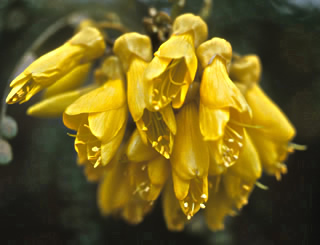
Sophora. microphylla

Sophora. molloyi

and Sophora. tetraptera

The kōwhai is an important food source for the:
Tui

Bellbird

and the Kererū

Part 2.
Dangers Of The Kōwhai
Some dangers of the kōwhai are:
Rabbits and Hares

These creatures have made the Sophora. fulvida, Sophora. longicarinata and the Sophora. molloyi species threatened and Uncommon.
Part 3.
How YOU Can Help
You can help by growing and looking after your own kōwhai. This is what DOC (Department Of Conservation) is trying to encourage people to do.

No comments:
Post a Comment